

I absolutely love a good bargain plant, but I don’t love the root rot, pests, and other dun surprises they come with. There are steps you can take to help eliminate these issues when buying big box store and bargain plants.
Remove Decorative Moss or Tags
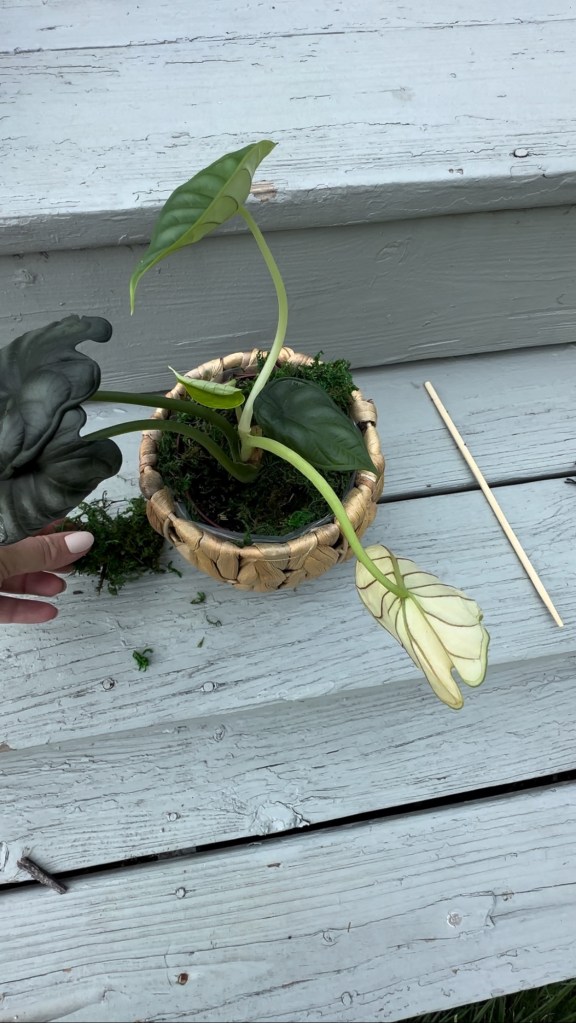
Remove all decorative moss topping the soil as well as any tags or other decorative items. If the plant comes in a decorative pot ensure that it has drain holes. If the pot doesn’t have drainage holes remove the nursery pot from the decorative pot to allow for better drainage if not repotting immediately.
Check the Roots

Check the bottom of the nursery pot to see if any roots are visible. If roots are visible, repot in a larger, well draining pot.
If the roots aren’t visible and the soil doesn’t feel saturated it shouldn’t need to be repotted right away. If you choose not to repot the plant, make sure to use bonide granules to ensure no pests will affect your new plant. Also make sure to isolate it away from other plants in case there are any pests on the plant.
Clean and Inspect Roots
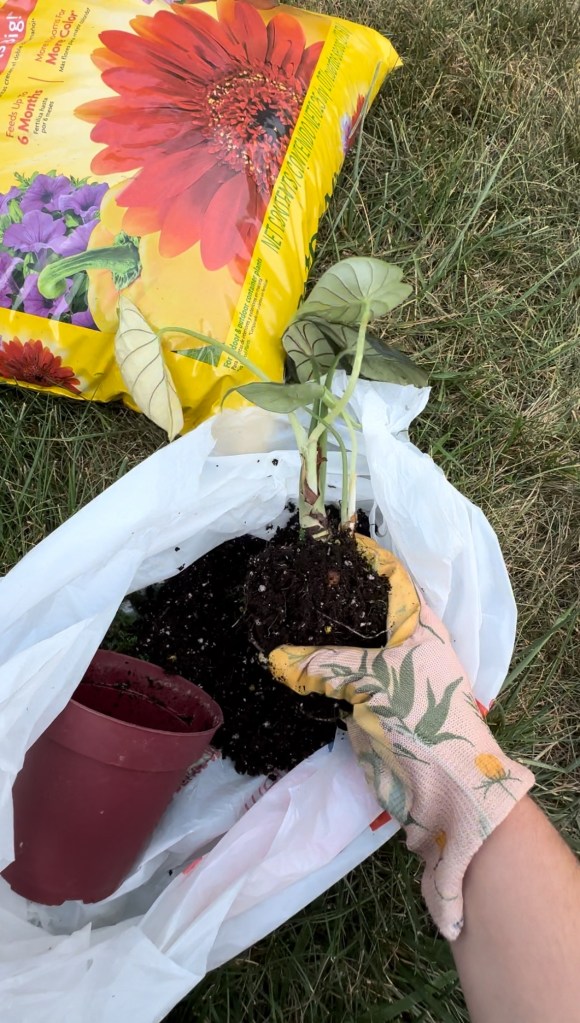
If the root ball is densely packed or overly saturated, completely remove all soil and inspect the roots thoroughly. Check for mushy or black roots and remove them gently. Inspect the root ball for a fine mesh surrounding the base of the plant. If your plant contains a mesh “death plug”, gently cut it off of the plant.
Repot Plant
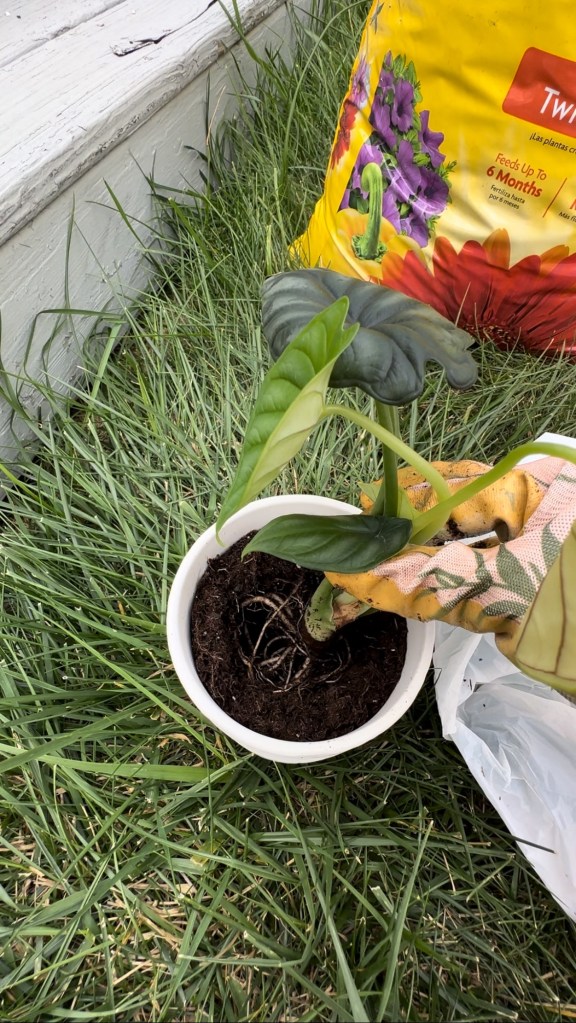
Repot your plant in a well draining pot with well draining soil. Gently place the roots of the plant in the center of the soil and gently pack soil around the plant.
Trim Dead or Damaged Leaves

Trim any dead or dying leaves off of the plant. This will allow the plant to use its energy for new growth instead of dead or dying leaves.
Pest Control
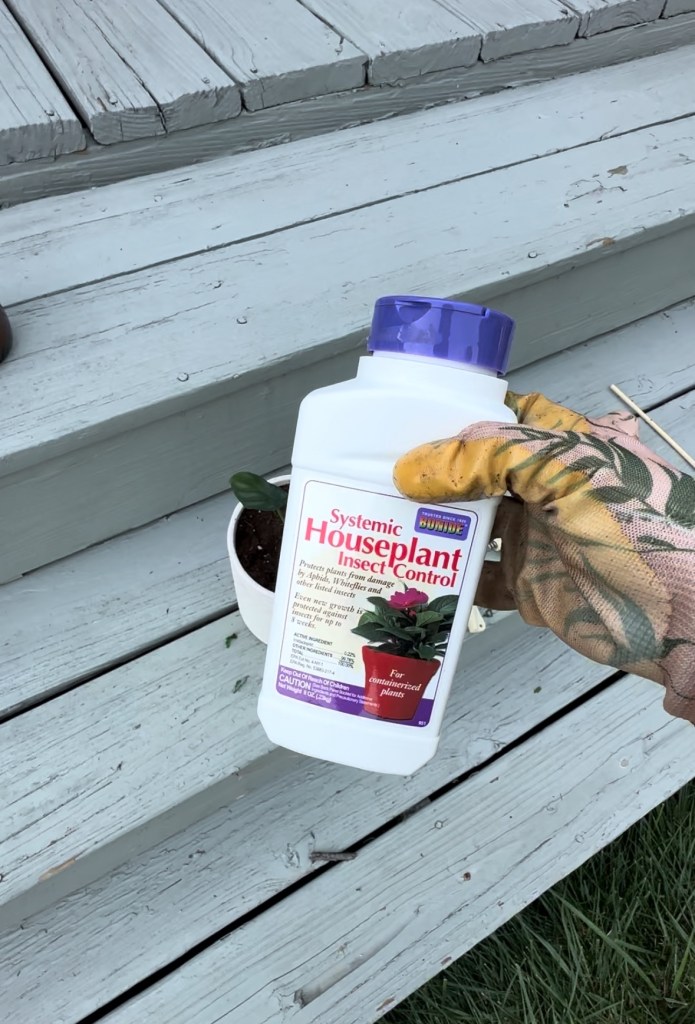

Add systemic insect control granules to the top layer of the soil and mix into the first inch or so of the soil. This will prevent fungus gnats and will help control any infestation that may already exist on your plant.
Water Plant
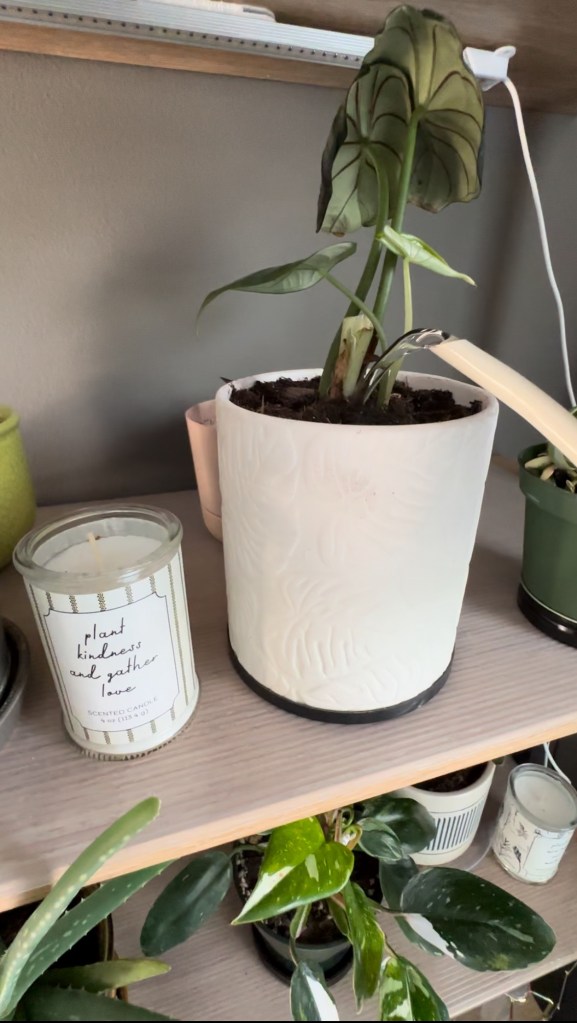
Water the plant thoroughly. This will help the plant receive the moisture it needs while activating the bonide granules to ensure pests are kept at bay.
Treat Leaves and Foliage

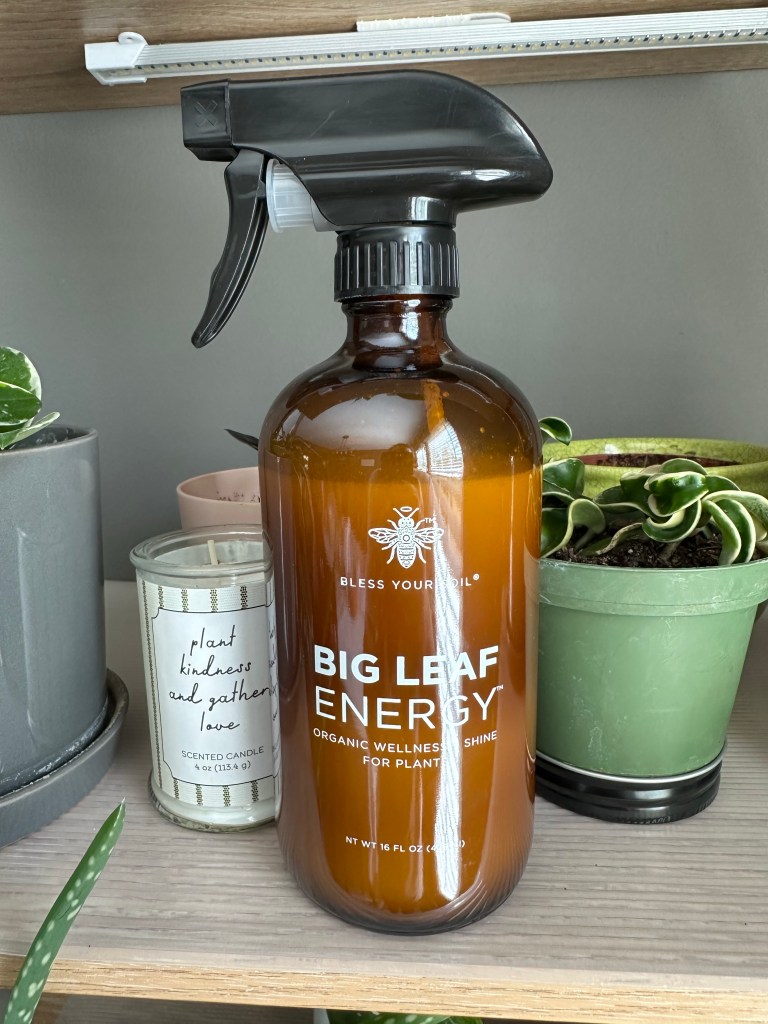
Treat leaves and foliage with a Neem oil product such as Bless Your Soil’s Big Leaf Energy. This organic blend helps keep leaves and foliage shiny and healthy and helps eliminate pests.

 The Engineered Mama